
HOME HERO
WATER
WATER

You need plumbed water to live comfortably in your home. However water from leaks, burst pipes, and condensation can cause mold and rot or even structural failure. In this Water section you will protect your home from water problems.
We will go through all of the water items in this section. If you need to hire a plumber, he/she will be able to complete all your tasks in one trip which should save you money.
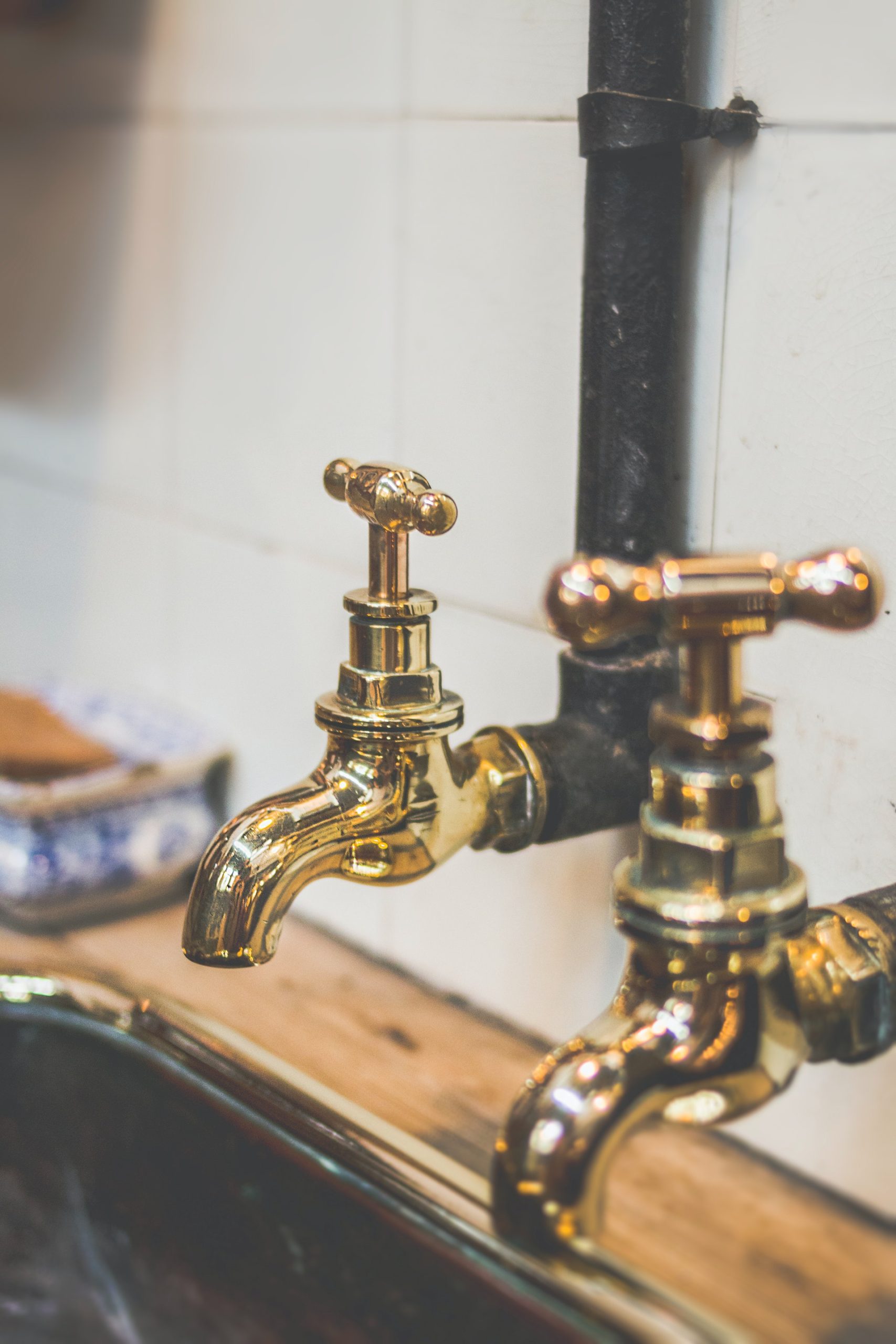
Find All Necessary Repairs
- Consider Upgrading Water Main Shut-Off
- Measure Water Pressure
- Perform Whole Home Leak Test
- Find Outdoor Spigot Winter Shut-Offs. Consider frost-proof spigots
- Try the Toilet Shimmey!
- Confirm Toilets are not Leaking From Tank to Bowl
- Get annual water heater check-up from a licensed professional
- Consider Installing a Flume Water Monitor
- Test all sink and toilet shut-offs for leaking or seized in place
- Check for slow drains on sinks, showers, tubs, dishwashers, clothes washers, etc…
- Check Whole House Water Filter System
- Consider “smart” water sensors under appliances and fixtures
- Replace Hoses to Washer Machine, Dishwasher, Water Heater, Toilets and Sink Faucets if Older than 5 years
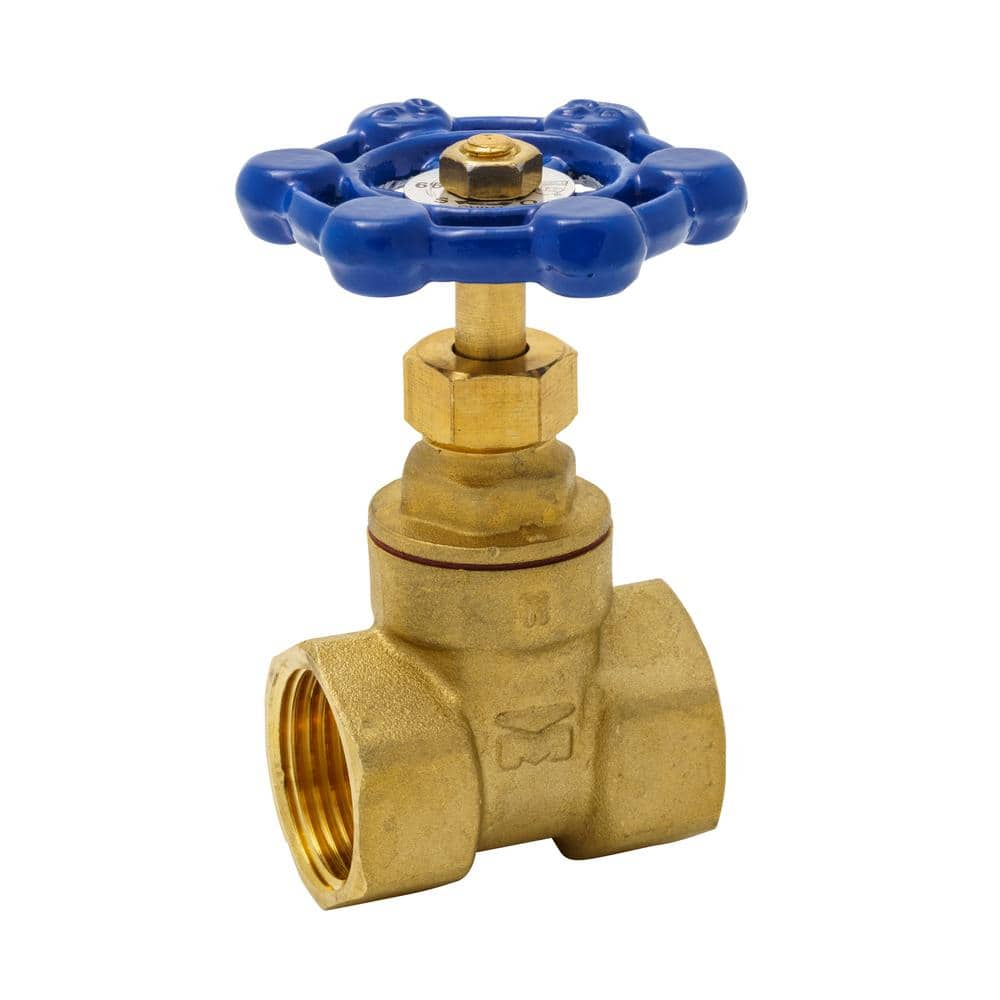
Water Main Gate Valve
Shut-off Above
——-
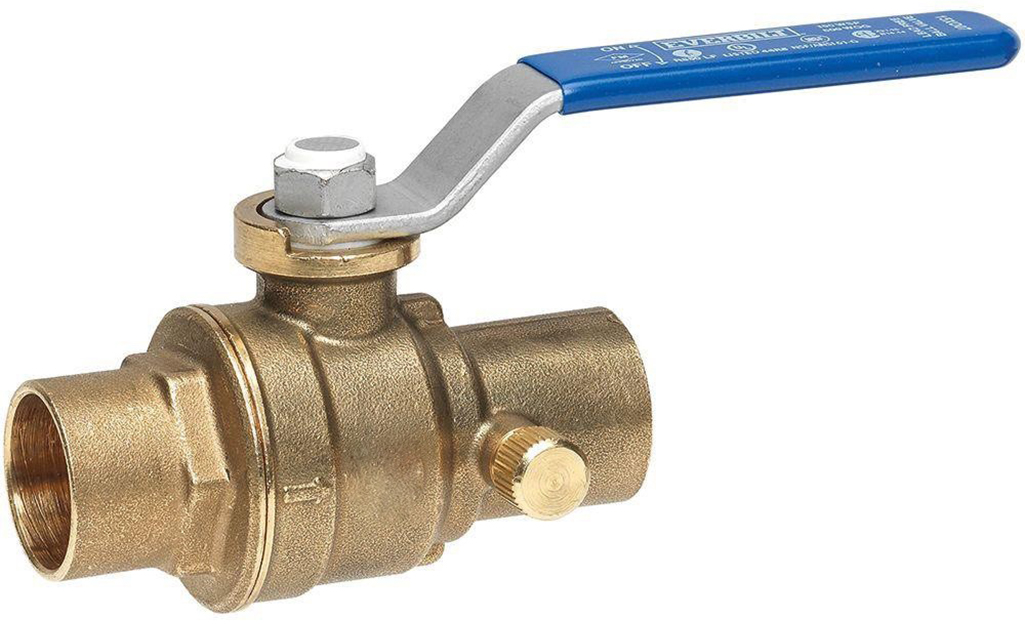
Water Main Ball Valve
Shut-off Below
Do You Need to Upgrade Your Water Main Shut-Off Valve?
Maybe. It depends on your existing water main shut-off valve and your risk tolerance. As Dirty Harry would say “Are you feeling lucky?”
If your water main has a gate valve shut-off consider having your plumber replace it with a quarter-turn ball valve. Older gate valves frequently fail in the closed position. This means you shut the valve for an upgrade or repair, then when you try to turn the water back on, the valve stem breaks blocking all water in your home until your local water district turns the water off at the street and your plumber can replace the old broken gate valve with a ball valve.
Ball valves will last decades longer and will allow you to shut off the water to your home quickly. One point to remember, if you shut off the water to your home and the pipes are now empty, open the ball valve slowly. Otherwise the water rushing to refill your empty pipes may cause damage.
Water Main Gate Valve
Shut-off Above
——-
Water Main Ball Valve
Shut-off Below
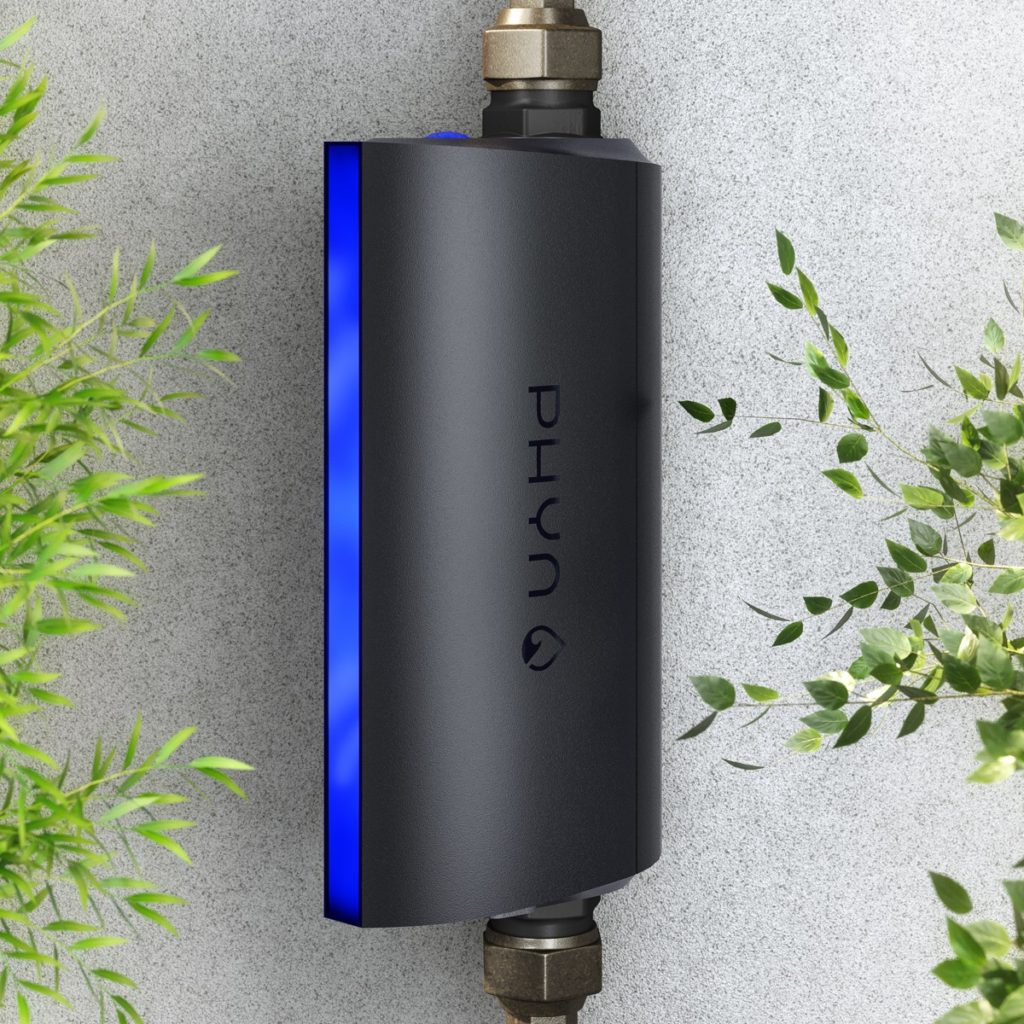
Did you know? According to North Texas Municipal Water District, a burst ½” diameter pipe will spew 50 gallons per minute. That’s more than one full bathtub of water spraying all over the INSIDE of your home EVERY MINUTE.
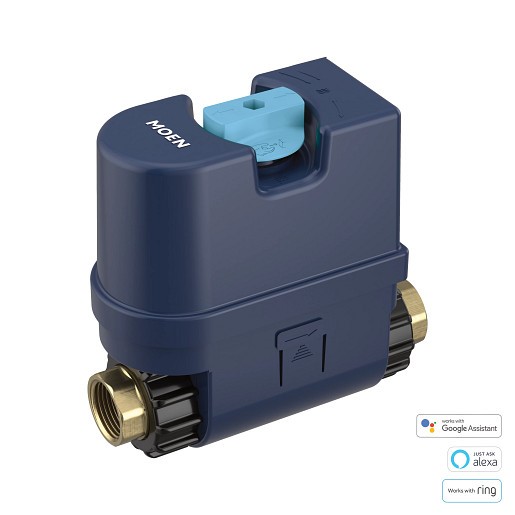
You need to be able to access the water main shutoff valve FAST! But what if you are not home? An Automatic “Smart” Water Main Shut-Off Valve might be an option for you. Several companies make “smart” shut-off valves that will analyze your water usage and automatically shut off the water to your home if they detect a leak or rupture. They come with an app to inform you of the suspected leak. You can override the shut-off if it is a “false alarm”, but the software is so good this rarely happens.
Measure Water Pressure
The appliances, hoses, and plumbing fixtures in your home are designed for water pressure between 40 and 70 psi (pounds per square inch). Water pressure below 40 psi may cause fixtures to have insufficient water flow and water pressure above 70 psi may cause hoses or connections to rupture resulting in a massive leak that causes thousands of dollars of property damage.
For less than $20 you can buy a water pressure gauge that easily screws onto your outdoor hose spigot. Then simply turn on the spigot as open as possible to read your water pressure.
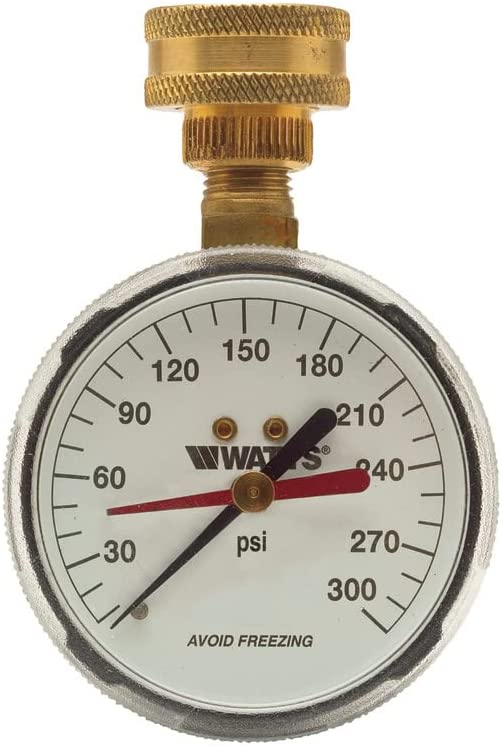
If your water pressure is below 40 psi, you can take the following steps to address:
1. Confirm the indoor winter shut-off for the outdoor spigot is fully open.
2. If you have a second outdoor water spigot, test the pressure at the other spigot.
3. Confirm water is not in use in the home. Confirm your sprinklers, washing machine, dishwasher, showers, tubs, etc are not running. Shut off all water using appliances and retest water pressure.
4. If you are on municipal water, ask your nearest neighbor (in a separate building) if you can measure their water pressure to see if the issue is in the city water supply. If your neighbor’s water pressure is also low, call your municipal water supply to report the issue.
5. Check that your water main shut-off is fully open. If the shut-off is only partially open, it will restrict water flow to your home.
6. Perform Whole Home Leak Test. See directions in next section.
7. If you are on well water, contact your well service specialist to come perform annual maintenance and troubleshoot your well water system.
8. If you cannot find the source of the problem. Contact a plumber to troubleshoot your plumbing. You may need to consider install a home water pressure booster.
If your water pressure is above 70 psi, you can take the following steps to address:
1. Call a plumber to provide and install a water pressure regulator directly downstream of your water main shut-off. If you already have a water pressure regulator, have the plumber adjust or replace it.
Perform Whole Home Leak Test
In 2 hours you can find out if you have a water leak in your home… on the water supply side.
Supply side? What does that mean? The supply side is the pressurized potable water that comes into your home via your water main and is delivered to your plumbing fixtures (toilets, showers, faucets, etc…) and appliances through pipes. This test will identify if there is a leak somewhere in the pressurized water system of your home.
This test will not identify if your appliances are leaking while in use. This test will not identify any leaks in your drain system that transports waste water from your appliances, shower, sinks, etc… to the municipal sewage line or your septic system.
The appliances, hoses, and plumbing fixtures in your home are designed for water pressure between 40 and 70 psi (pounds per square inch). If your water pressure is above or below this range see Measure Water Pressure section above.
Home Hero DOES NOT recommend this test if you have Gate-Style Water Main Shut-off. Upgrade to a Quarter-Turn Ball-Valve before performing this test. Learn more in Do You Need to Upgrade Your Water Main Shut-Off Valve section above.
Find Outdoor Spigot Winter Shut-Offs
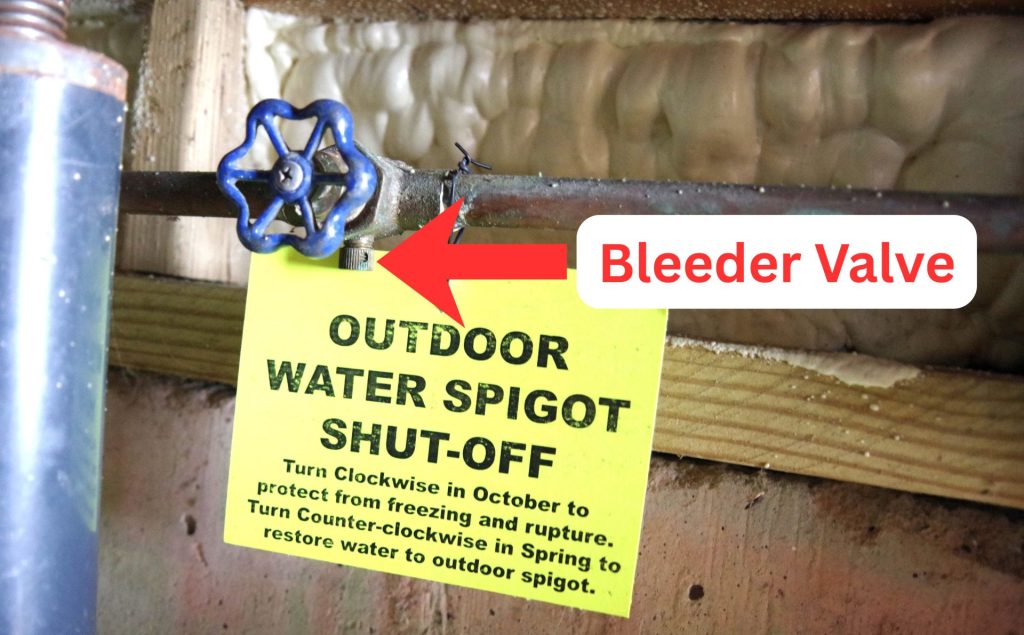
The supply pipe serving a traditional outdoor hose spigot (also called a faucet or hose bib) can freeze and rupture during winter. A few simple steps in the fall can prevent expensive water damage.
Winterizing Steps
- Remove hoses and attachments.
Disconnect all hoses, splitters, and timers before temperatures drop below freezing. - Shut off the indoor winter valve.
Locate the indoor shut-off valve serving the outdoor spigot and close it. Then open the outdoor spigot to drain water from the pipe. - Open the bleeder valve (if present).
Many indoor shut-off valves include a small bleeder valve. Open it briefly to drain any remaining water trapped in the pipe.
Spring Reopening
- Close the outdoor spigot.
- Reopen the indoor winter shut-off valve to restore water service.
- Confirm winter shutoff bleeder valve is fully closed
Upgrade Option: Frost-Proof Spigots
If remembering to winterize every fall feels like one more task on an already long list, a plumber can replace traditional spigots with frost-proof hose bibs.
These fixtures place the shut-off point 8 to 10 inches inside the wall, where the pipe stays warm. This design greatly reduces the risk of freezing and eliminates the need for a seasonal shut-off in most homes.
Important:
Even frost-proof spigots can freeze and rupture if a hose is left attached during freezing weather. Always disconnect hoses before winter.
To learn more about how frost-proof spigots work, watch this video:
Thank you to Ask This Old House for their excellent video “How to Install a Frost-Proof Hose Spigot”
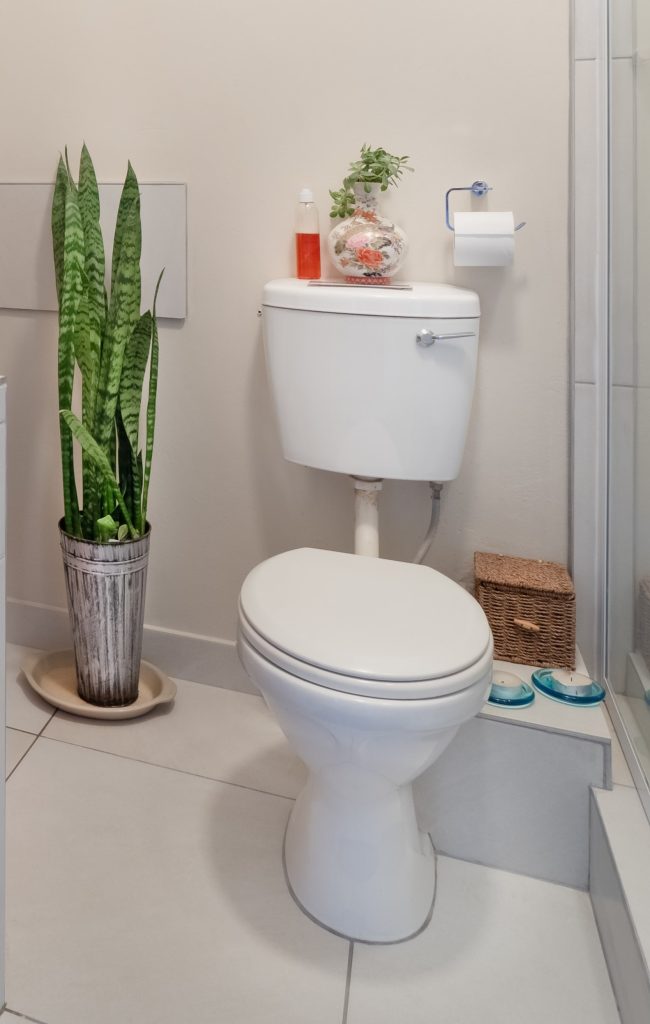
Try the Toilet Shimmey!!!
Is your toilet securely attached to the floor and is that floor structurally sound?
Sit on each toilet and try to sway side-to-side, front-to-back. Don’t thrash around violently, but perform the full range of movement you would expect from users of all ages and sizes reaching for toilet paper, sitting down, etc. Your toilets should not shift!
If any of the toilets move, have your plumber check them out. The issue could be small; such as the toilet mounting bolts need to be adjusted. However this issue could be serious; such as the toilet has been leaking into the floor for so long that the supporting floor joists have rotted and are verging on collapse. Be sure to let your plumber know how many toilets are affected so they can arrive with sufficient wax rings to address all the toilets.
If you paid for a home inspection prior to buying your home and less than a year has passed, your home inspector’s “Errors and Omissions Insurance” may pay for this repair.
Confirm Toilets are Not Leaking From Tank to Bowl
Internally leaking toilets can costs you hundreds or dollars in increased water bills. Test your toilets annually.
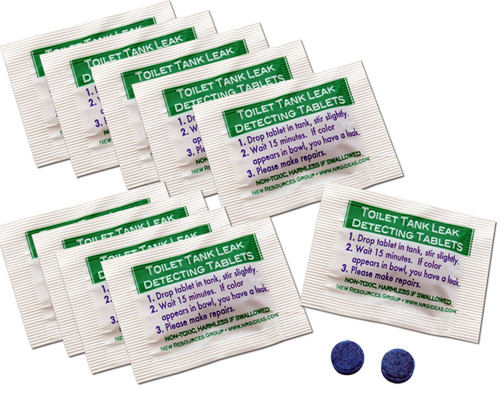
Select a time when everyone else in your home will be away from the house for several hours. No one can flush the toilet while this test is being performed. Drop a “Toilet Tank Leak Detection Tablet” into the upper tank of each toilet.
Check your toilets approximately every 30 minutes for three hours. If the water in the toilet bowl is blue (assuming no one has flushed) then your toilet is leaking water from the tank to the bowl. Faster leaks will turn the water in the toilet bowl blue sooner than slower leaks.
Save water and money. Call a plumber to repair.

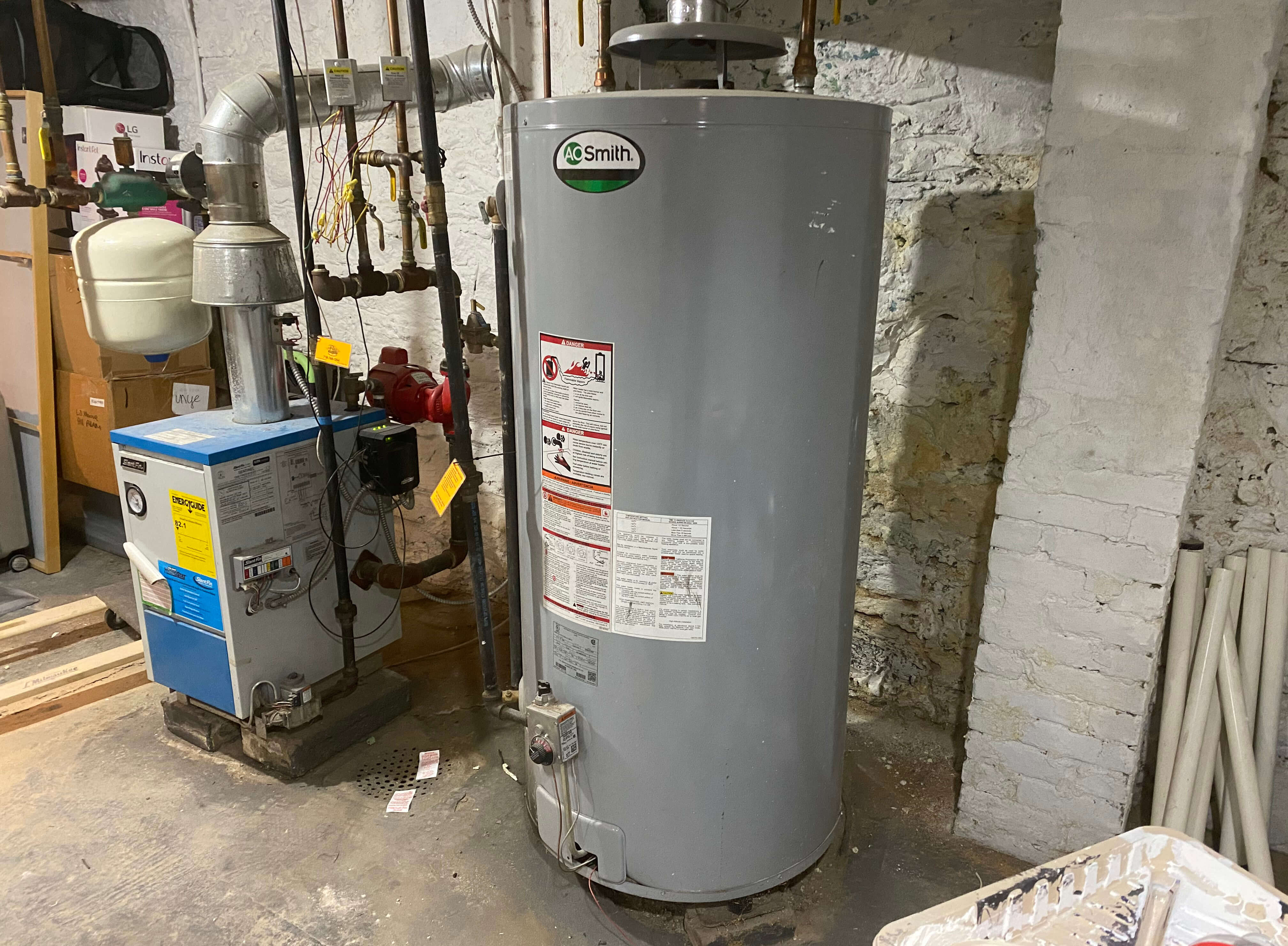
Traditional gas-fired tank water heater
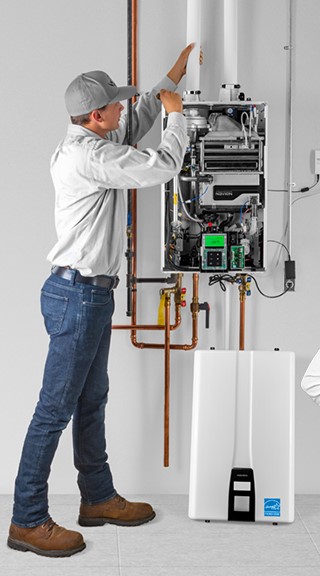
Wall-mounted tankless water heater
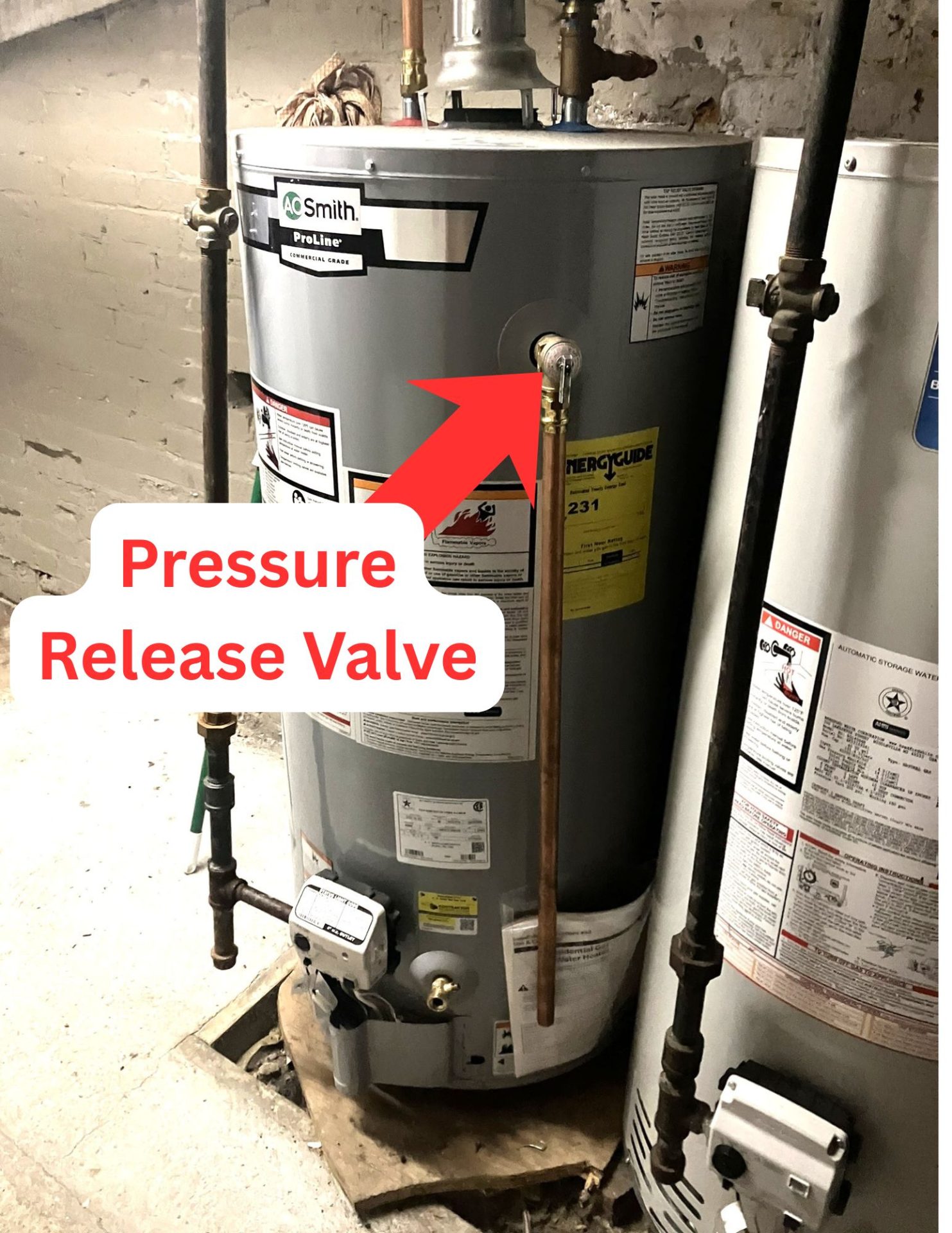
Pressure Release Valve (PRV)
Get Annual Water Heater Check-up from a Licensed Professional
Did you know that your water heater has several components that need to be checked and serviced every year? Hire a licensed plumber to check the following on your water heater every year:
- Flush sediment out of water heater if has not be performed in past 12 months
- Check anode rod in water heater to determine if ready to be replaced
- Test water heater emergency pressure relief valve (PRV).
The emergency pressure relief valve prevents your water heater from becoming a bomb, so it is important to confirm that it is working properly. To learn more, read this excellent article from Plumb University. To see the power of a water heater explosion, watch this Mythbusters video.
- Place a metal bucket directly under the pressure relief valve discharge pipe on your water heater and boiler (if present). If you ever find a large puddle under the water heater, the bucket will help identify the source. An empty bucket suggests the tank is leaking. A full bucket indicates the pressure relief valve is discharging. This simple check can save thousands by helping you quickly distinguish between an inexpensive valve repair and a costly water heater replacement.
The bucket should sit loosely under the discharge pipe. Do not attach the pipe to the bucket or seal the pipe inside the bucket. Never cap or block the discharge pipe. It must remain open so the valve can safely release pressure if needed.
- Tankless Water Heater Owners – Descale tankless water heater annually or as recommended by your manufacturer. Tankless water heater provide endless hot water and are small wall mounted units, liberating space in your mechanical room. However they accumulate scale on the heating coils that must be removed regularly to prolong the life of your heater. To learn what to expect from your plumbing professional, watch this excellent video from Matt Risinger of The Build Show: Tankless Water Heater – Annual Maintenance Routine
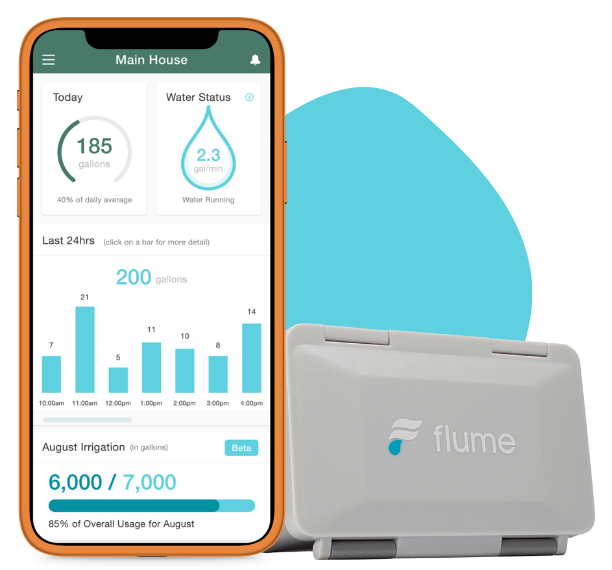
Consider Installing a Flume Water Monitor
Consider a Whole Home Water Monitoring system. This system will alert you by text if a leak is detected in your home. Even a relatively short period with a burst pipe can release massive volumes of water. This system will also alert you to silently running toilets and leaking plumbing connections.
Flume, the system pictured, simply straps onto your existing water meter and has no monthly subscription.
For the water-conserving homeowner, the Flume app also provides hour-by-hour water consumption graphs so you can understand your biggest water uses and enact conservation measures as needed.
Save $20 with this link: http://rwrd.io/aqjmc8f
Run Your Sinks, Tubs, Dishwasher, Clothes Washer, etc...
Run all sinks, showers, and tubs to confirm drains are clear and drain quickly. Run the dishwasher to confirm water does not backfill into the kitchen sink. Any slow drains should be cleared.
Running all fixtures every three months also ensures that the P-traps beneath each drain remain filled with water. This water seal prevents sewer gases from entering your home and should be maintained even for fixtures that are rarely used.
Learn how to unclog any drain from Rich Trethewey from This Old House:
Thank you to Ask This Old House for their excellent video “How to Unclog Any Drain”
Thank you to This Old House for their excellent video “How to Clear a Clogged Bathtub Drain”.
Test All Sink, Toilet, and Large Appliance Shut-Offs
There are two types of water fixtures and appliances in your home. Those that leak and those that will someday leak. With this in mind, every fixture and appliance in your home that uses water must have a dedicated shutoff valve. This allows you to isolate the failing fixture or appliance without shutting off the water to your entire home.
You may recognize the multi-turn shutoff shown here. Over time, the internal washer and stem packing wears out, causing the valve to leak, fail to fully shut off, or seize after years of disuse.
If a shutoff valve has not been operated in many years, turn it slowly and do not force it. Old valves may begin leaking or fail when forced.
For this reason, many plumbers replace older multi-turn valves with modern quarter-turn ball valves. Modern quarter-turn ball valves use a rotating ball rather than a rubber washer, which makes them more reliable and far less prone to leaking or seizing.
These valves are easy to recognize because they use a small lever handle that turns only 90 degrees between fully open and fully closed. As a general rule, when the handle is parallel to the pipe the valve is open, and when the handle is perpendicular to the pipe the valve is closed.
We will discuss two approaches to dealing with seized and leaking shutoffs:
- The Optimal Approach
- The Minimum Viable Approach

Multi-turn shut-off from 60 years ago
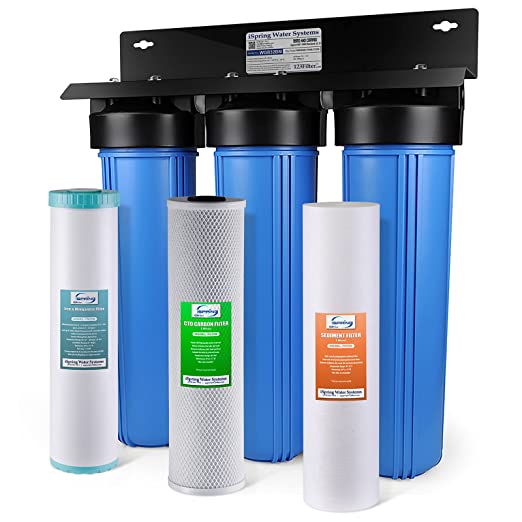
Check Water Filter System
Depending on the water quality in your area, your home may have a whole home water filter. This systems can be simple with only one stage or more complex with multiple stages. In this comprehensive article on The Spruce, contractor Lee Wallender recommends the following:
Whole home water filters and related parts must be replaced on a schedule unless other factors require more or less frequent replacement.
Pre-filter: Every 3 to 9 months
Post-filter: Every 6 to 12 months
Filtration tanks: Every 5 to 10 years
UV filter (lamp): As needed (about once a year)
Salt-free water softener filtration tank: Every 6 years
Watch this comprehensive video, Top 9 Tips for Water Filter Owners, to learn about all the components of your home water filter system.
Thank you to R.C. Worst & Co., Inc. for their excellent video
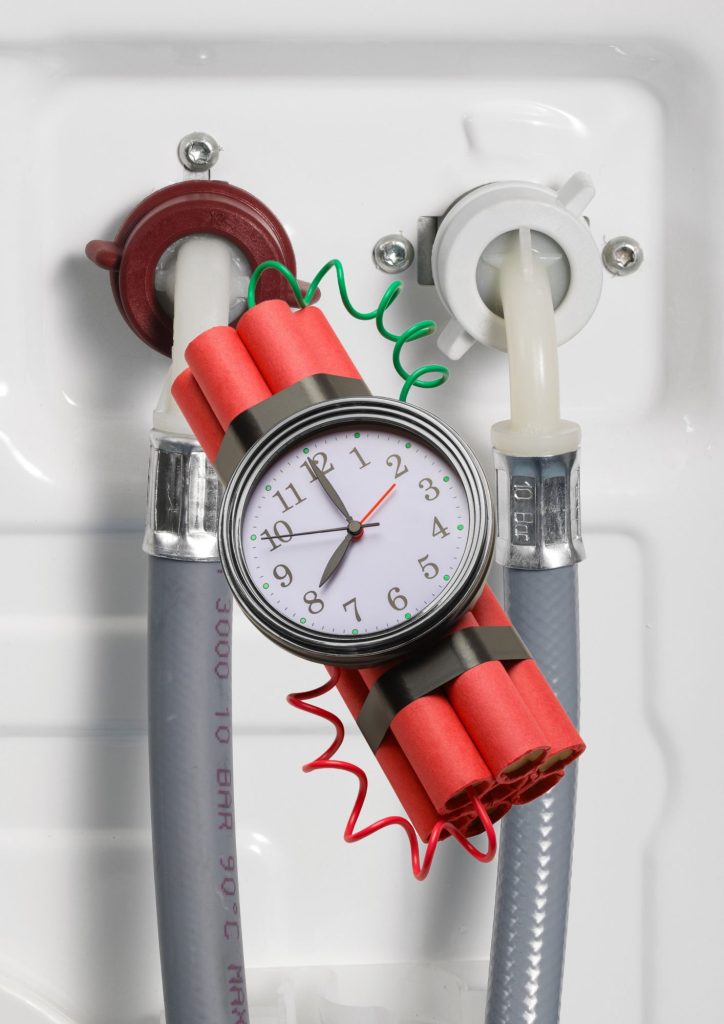
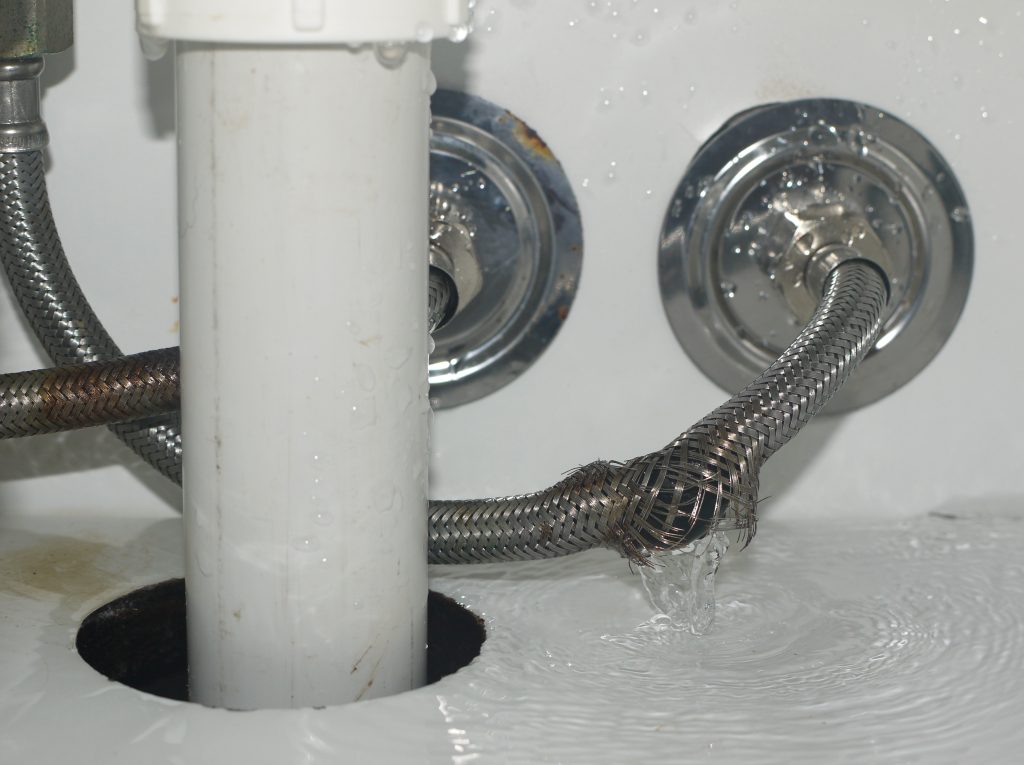
This hose may look like metal but it is actually just metal reinforcement surrounding a rubber hose.
Replace Hoses to Washer Machine, Dishwasher, Water Heater, Toilets and Sink Faucets if Older than 5 years
Do you know that there rubber hoses installed all over your home that should be replaced every 5 years? These hoses may be a ticking timebomb ready to explode. Replace all hoses with braided metal reinforced hoses.
Look in the following places to find all your hoses:
- Connecting each toilet to the shut-off in the wall
- Connecting each sink faucet to the shut-off in the cabinet below
- Connecting your washing machine to the shut-offs on the wall behind
- Connecting your dishwasher to the shutoff in the sink cabinet next to the dishwasher
- Some water heaters are supplied water from a rubber hose (however most are connected to a copper pipe or red or blue PEX pipe, which are designed to last the life of your home).
A variety of factors can further reduce the life of your hoses. If your home has high water pressure that may reduce hose life. Most water districts add chlorine to their water system to disinfect the water. This chlorine degrades your hoses and reduces hose life.
Most people never replace these hoses, and most are fine, but there are the unlucky few that end up with massive leaks and property damage. You could protect yourself by replacing these hoses every 5 years according to the manufacturer’s recommendations.
Never going to do it? Consider reducing your risk of property damage by installing a “smart” automatic water main shut-off. It should automatically shut off the water to the entire home when a leak is detected and alert you by app, text, or email, hopefully resulting water damage only around the leak, rather than continuing for hours or days and damaging a huge portion of your home.
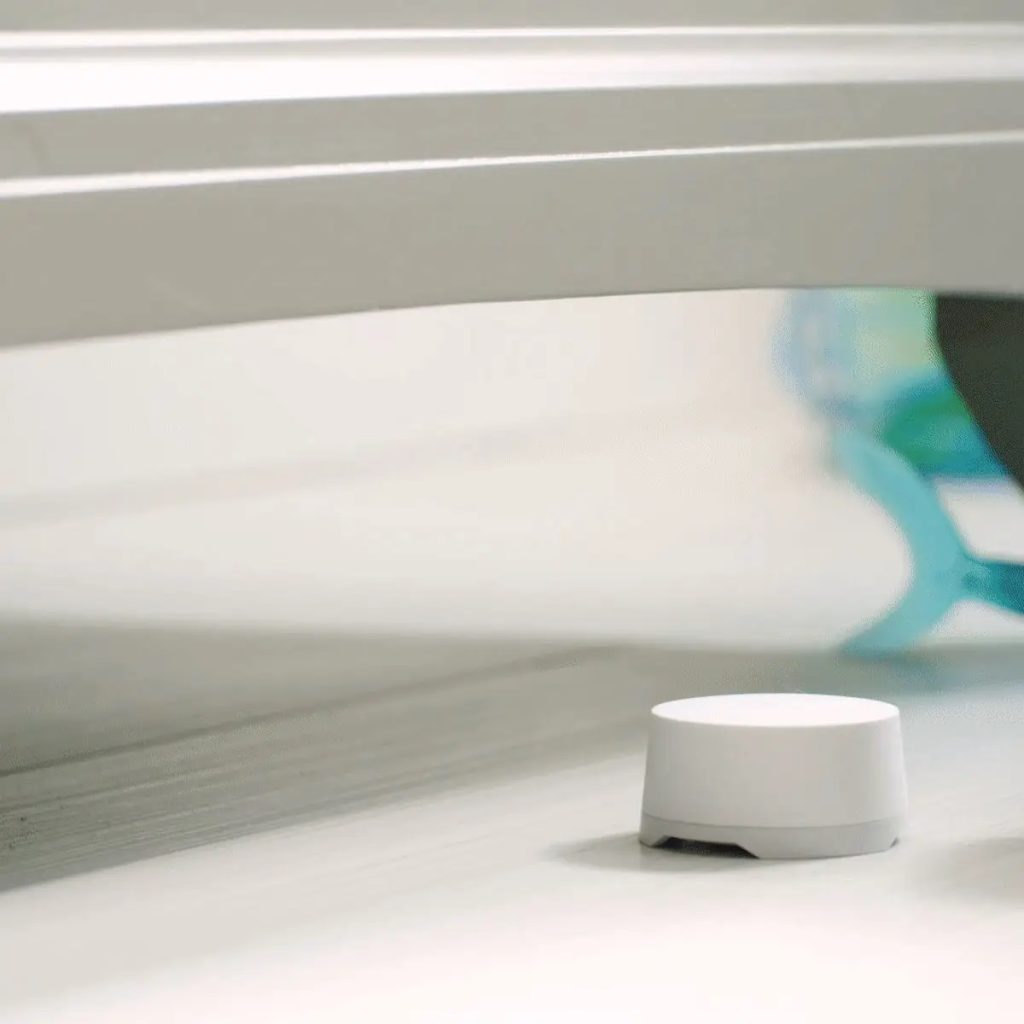
Upgrade Option: Place “Smart” Water Sensors under Dishwasher, Clothes Washer, Water Heater, Boiler, behind Toilets, under Sinks etc…
Repairing water damage is expensive. Fortunately, many wireless water sensors are reasonably priced.
Previously, we’ve discussed upgrades and tests to identify supply-side (pressurized) water leaks. These methods will not identify leaks on the drain side or while an appliance is in use.
The door gasket on your dishwasher may be damaged and water may leak onto the floor below every time you run the dishwasher. The drain hose on your washing machine may be cracked and leak water behind your machine even time you run a load.
Consider placing wireless water sensors behind your toilets, in the cabinet under your sink, under your dishwasher, behind your washing machine, behind your refrigerator (if you have an integrated ice maker), under your water heater, under your boiler, etc…
Many of these products will alert you by text whenever water is detected so you can take action to stop the water before costly repairs are required.
Your current home alarm company may offer water sensors that are integrated into their alarm notification system and app, such as the water sensor from SimpliSafe shown here.
Talk to us
Have any questions? We are always open to talk about your home and how we can help you.