If you want fewer cold drafts and zero surprise visitors with whiskers, mouse-proof air-sealing is one of the highest impact projects you can tackle. Mice only need a gap the size of a dime. If air can move through it, so can they.
The good news. You can do this. It takes patience and attention to detail, but once you seal every opening, you dramatically improve comfort, energy efficiency, and peace of mind.
Use the Right Materials
1) Copper Wool or Copper Mesh
Use copper wool or copper mesh, not steel wool.
Steel wool rusts and eventually turns to dust.
Copper does not degrade the same way and remains effective long term.
Firmly pack the copper into the opening.
The goal is to create a dense physical barrier that mice cannot chew through.
2) Seal It Properly
After packing the hole:
Insert a small backer material if needed to prevent sealant from dripping through the cavity.
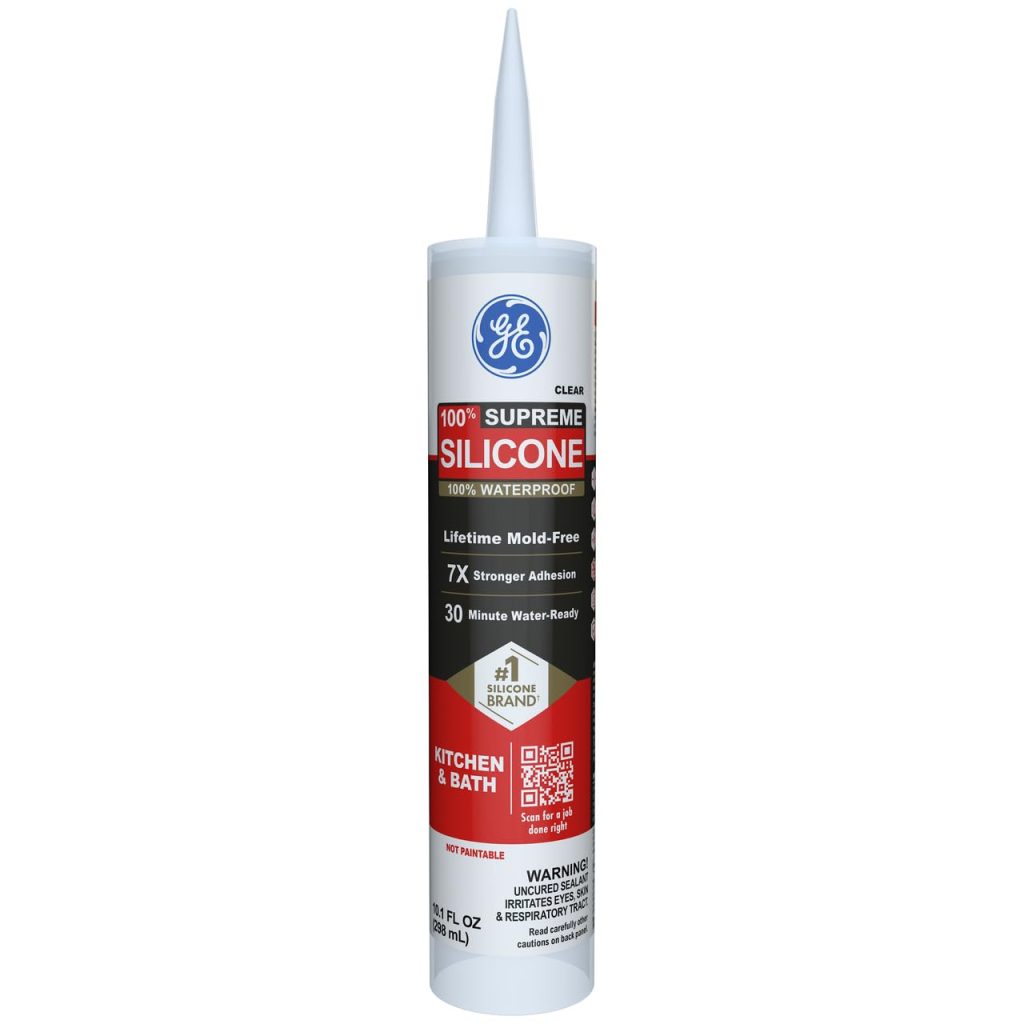
Apply white or clear silicone sealant anywhere the repair will be visible.
This locks the copper in place.
It blocks airflow.
It improves appearance.
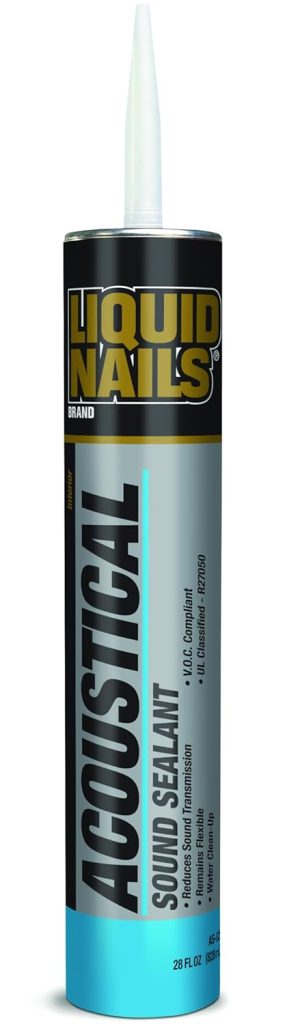
For non-visible areas, use acoustic sealant.
Acoustic Sealant
It stays flexible.
It does not shrink over time.
It does not pull away from framing.
It is extremely effective at stopping air movement.
It is not pretty, but it works. Save it for basements, utility spaces, and concealed areas.
Where to Look First
The most common problem areas are:
Pipe penetrations under sinks
Heating pipes entering floors and walls
Gas lines Cable and internet penetrations
Bathroom plumbing
Gaps behind dishwashers
Holes in basement rim joists
Any place pipes enter or exit your unit
If a pipe passes through a wall or floor, inspect it. These penetrations are the biggest culprits.
The Mindset
Mouse proofing is not about one big hole. It is about twenty tiny ones.
Move slowly. Bring a flashlight. Check low and high. Feel for drafts with your hand on a cold day.
Seal everything you find. Eventually you will win.
You can do it!
And if you still have mice see below…
Advanced Leak Detection
When you have sealed everything and mice are still getting in
If you have meticulously packed and sealed every visible crack and gap and you are still seeing evidence of mice, it may be time for a more systematic approach.
A professional energy auditor can use a blower door test combined with theatrical fog or incense to locate hidden air pathways.
How It Works
A blower door temporarily depressurizes the home.
Outside air is pulled through every remaining crack and gap.
Fog or smoke visibly shows where air is entering.
Even tiny leaks become easy to spot.
This method often reveals surprising pathways such as hidden wall cavities, soffits, attic bypasses, or framing gaps that are not visible during a standard inspection.
Important Safety Notes
Temporarily remove or disable all smoke detectors, CO detectors, and gas detectors before testing.
Reinstall and test all detectors immediately after the test is complete.
Do not operate combustion appliances during depressurization.
Once the remaining leaks are identified, seal them using the same copper mesh and sealant approach described above.
When air stops moving, mice stop moving too.
Thank you to Ask This Old House for their excellent video “ Blower Door Test | This Old House”
Talk to us
Have any questions? We are always open to talk about your home and how we can help you.